
Unit 22
There can be additional resident care procedures that while in your scope of practice, require additional training. We cannot go over every possible care procedure you may encounter, but in this unit we will touch briefly on some of the more frequently seen procedures. You will still need some training on the particular brands or types of procedures that your particular LTC community may have as there are several. If it is not considered to be an off limits procedure for a C.N.A it is best not to refuse to do a procedure but to ask for training so that you can safely perform to the best of your ability.
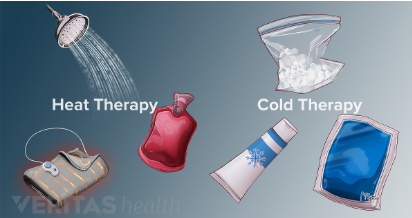
Using heat and cold for therapeutic use
We use heat when we want to increase the blood flow to an area because heat dilates the blood vessels.
We use cold when we want to decrease the blood flow to an area because cold constricts the blood vessels.
We use either heat or cold depending on the situation of the injury. Heat would be applied to tissues that are infected or tight to bring oxygen, nutrients, and white blood cells that fight infections to the infected area. Cold would help an area that is painful because of swelling (e.g., a sprained ankle) to decrease blood flow to the area and decrease pressure. Heat and cold can be used sequentially. Standard care for a sprained ankle is to first apply ice for a few days to decrease the pain caused by swelling and then apply heat to increase blood supply and promote healing.
Using heat and cold safely
Heat and cold can be used safely, but these therapies can also cause harm. In order to use heat and cold therapies safely, follow these guidelines:
Only apply heat or cold if you are directed to do so by your supervisor after you have been trained on your specific tools and if there is a doctor's order.
Only apply heat and cold to the specific areas that have been ordered, and follow the carefully all steps including the time the heat or cold is on the resident.
Closely monitor the client to make sure the therapy is effective and no injury is taking place, remember, elderly skin is very fragile.
Be very, very careful when applying heat to clients who have diabetes. Diabetes decreases circulation and interferes with the sensation of pain; this makes the client with diabetes more susceptible to harm and less able to notice it. If heat or cold is improperly applied to a client with diabetes, he/she may suffer an injury but not realize the presence of the pain until damage has been done.
Never leave on for more than 20 minutes.
Avoid direct contact. Always use a barrier – cloth, a specialized paper cover, etc. – between the cold and the heat source, especially if you are using moist applications. The barrier prevents skin injury. Make sure you check the patient's skin shortly after you begin the treatment, during the treatment, and immediately after the treatment.
Always make sure you document any problems and report them immediately to the RN or your supervisor.
Oxygen
Applying TED Hose
Collecting a Stool Sample
Restraints
Restraints are almost never used any longer in LTC. You will probably and hopefully never seen a restraint being used. It is in the state curriculum an we do briefly cover it here for that reason.