Unit 15
Physical Changes Accompanying Aging
Aging results in functional decline that may be accelerated by disease. Aging in itself is not a disease, but a natural part of life. This unit contains an emphasis on function, including both aging and common diseases.
This is a huge unit but take your time going through it as it is full of useful information you will need as you begin your career in healthcare.
Eyes/Vision
Staying aware of your residents ability to see is important, if you notice any symptoms question your resident and report to the charge nurse.
1. Cloudy Vision May Signal Cataracts
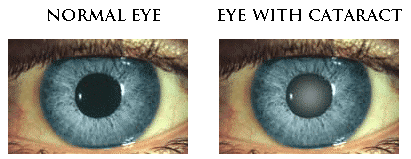
Developing cataracts is very common in older people. In fact, nearly one out of every five adults over the age of 65 has experienced a cataract. This eye condition becomes apparent when darkening and clouding occur over the eye lens, subsequently obstructing vision.
Cataracts typically form gradually. When cataracts grow large and thick and block vision, the affected senior requires surgery to have them removed. A doctor will surgically remove the clouded lens and replace it with a custom intraocular lens, which restores normal sight to a healthy eye. These surgeries are done in an outpatient clinic and eye sight is restored to normal in a day.
2. Sudden Eye Pain May Be Glaucoma
Seniors who are at a high risk for glaucoma often have diabetes or a family history of glaucoma. Narrow-angle glaucoma may be the culprit when individuals over age 60 experience sudden eye pain, redness and nausea. An attack of this eye condition can severely damage the eye’s optic nerve.
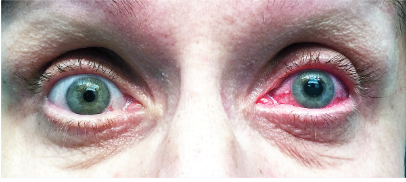
Those who fall into the high-risk groups for glaucoma should get eye exams with a check for glaucoma annually.
3. Seeing Floaters May Indicate Retinal Detachment
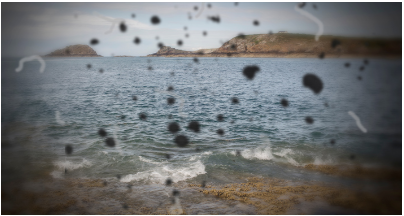
A separation of the inner and outer layers of the retina signifies retinal detachment. Symptoms that accompany retinal detachment include seeing spots or light flashes, dark shadows in the field of vision and experiencing distorted, underwater-like vision. Surgery corrects retinal detachment and restores vision when caught in time.
4. Red, Watery Eyes May Point to Corneal Disease
The cornea serves to focus light as it enters the eye. When the cornea is damaged through disease, infection or toxic substances, the senior experiences a range of symptoms, including a halo effect, reduced vision, watery eyes, redness and pain. Medicated eye drops relieve symptoms of corneal disease.
5. Blind Spots Could Be a Sign of Diabetic Retinopathy
Seniors who live with diabetes may develop a complication known as diabetic retinopathy. Blood vessels begin to leak fluid, leading to blurred vision, seeing floaters or experiencing blind spots. Other symptoms include eye pain, double vision and corneal abrasions. If left untreated, blindness can result.
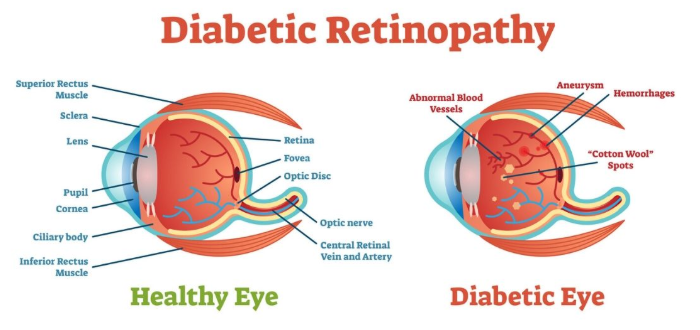
Managing blood glucose levels significantly reduces the chances of developing diabetic retinopathy. Annual eye exams increases the chances of early detection, and, therefore, timely medical intervention.
6. Vision Loss in Central Field of Vision Points to Macular Degeneration
Age-related macular degeneration destroys parts of the eye’s retina. Dry macular degeneration symptoms include blurry distance or reading vision, requiring brighter lights to see nearby objects, difficulty recognizing people’s faces and seeing blurry spots in one’s central field of vision.
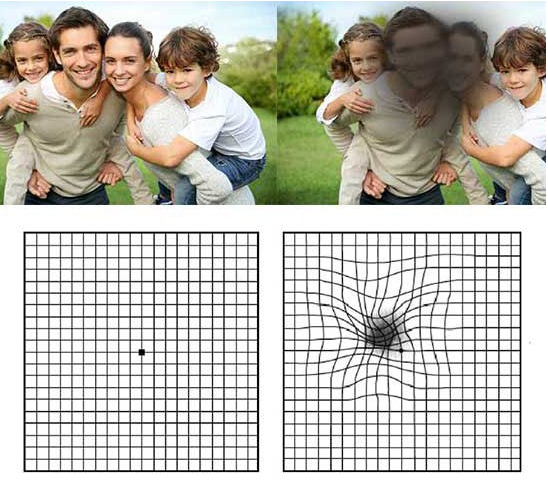
Symptoms of wet macular degeneration include loss of central vision, experiencing distorted vision (such as seeing bent instead of straight lines), seeing dark spots in one’s field of vision and seeing objects that appear either larger or smaller when viewed with one eye as opposed to the other.
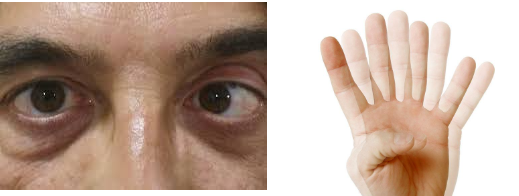
7. Seeing Double Signals Diplopia
Double vision is also known as diplopia and causes seeing double images of a single object. Monocular diplopia affects only one eye and may be caused by cataracts or retinal problems. Binocular diplopia affects both eyes, and may result from diabetes, Graves’ disease or eye muscle trauma.
8. Irritated, Red Eyes May Be a Sign of Dry Eye Syndrome
Rather than being a sight-threatening disease, dry eye syndrome is a harmless nuisance. Older people’s tear glands produce fewer tears; or, the chemistry of their tears shift, resulting in tears of poorer quality. Ease itching and burning eyes by running a humidifier or suggest to the nurse about applying tear-simulating eye drops. This is by far the most common eye issue in aging.