Unit 11
Elimination refers to the excretion of urine and feces. If your assistance is required, be tactful because the person may be very embarrassed to accept your help. Never show embarrassment, impatience or reluctance because your help is crucial to someone who needs assistance. What you need to keep in mind is to respect the person's privacy and to be professional.
CNA's responsibilities:
Learn each resident's toileting habits as most people have some kind of routine. Anticipating the resident's needs will result in less incontinent episodes and a better day for you and the residents.
When using commode/bedpan or urinal, use a blanket over the person's lap for privacy.
Close the door, shut the blinds, and pull the curtain so no one could see from the hall if the door were to open
Toilet paper should be placed within reach.
If the resident is weak or confused stay close by to prevent a fall.
For a resident that is independent, leave the room but remain within calling distance. Provide access to the call signal if you are not at their side and answer the call signal quickly.
Discourage the person to latch the door for safety reasons.
Assist the resident in providing good skin care/perineal care (pericare) following toileting. Make sure to wipe front to back to prevent infections.
Facilitate the person to wash their hands after elimination.
Do not empty the urinal or bedpan, or flush the toilet if the urine or feces look unusual- instead notify the nurse.
Never rinse or clean bedpans or urinals in the sink. Use a clean container to pour water for rinsing and dump it in the toilet,
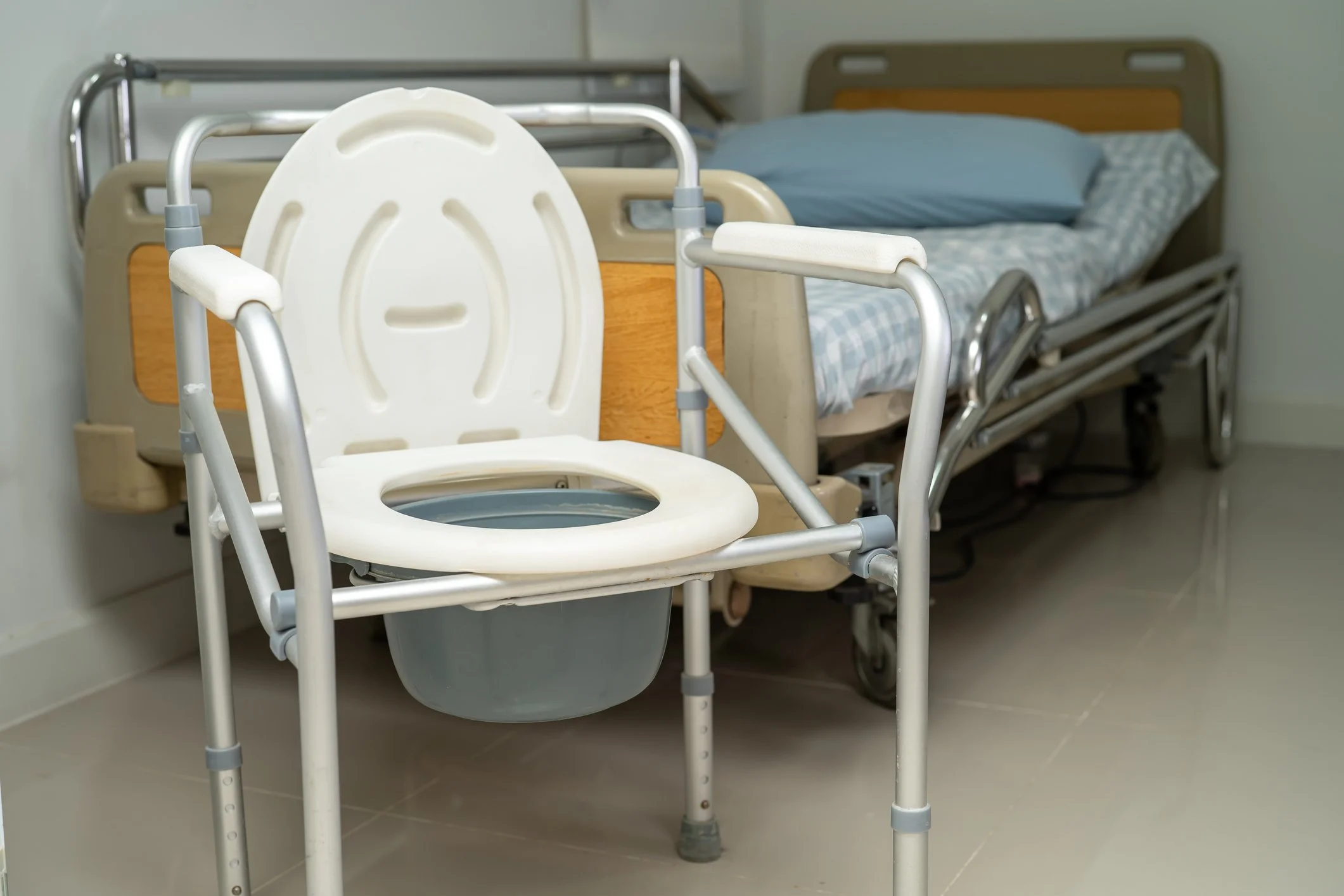
Bedside commode
A bedside commode is used when a resident is weak or unsteady, at risk of falling, and be safer than walking to the bathroom.
When using toilets or commodes:
Positioning the resident in an upright position is more familiar to them and usually easier.
Comfortably seat them (males may prefer to stand to urinate)
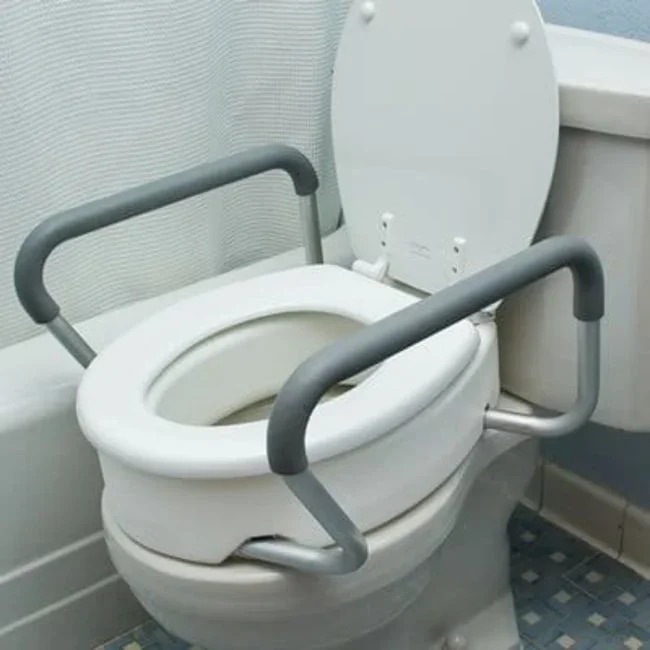
A riser may be placed on the toilet seat to assist the resident to sit and more easily stand up from the toilet.
Stay with the resident as necessary for safety. Never restrain a resident on a commode or toilet and check in at least every 5 minutes, if you are not right next to them. Residents should not stay on the toilet, bedpan or commode for longer than 20 minutes, unless directed by a nurse. Always cover the commode bucket, or urinal while carrying it to the toilet.
Bedpan
A bedpan is a container used to collect urine or feces, and it is shaped to fit under a person lying or sitting in bed. Bedpans can be made of plastic or metal, and some can be used with liners to prevent splashing and to make cleaning easier. Bedpans are used when a resident is too weak to transfer to a bedside commode, actively dying or has had an injury or surgery that prevents the resident from transferring to a toilet or commode.
If you are helping someone with a bedpan, try to be relaxed. Helping with a bedpan is a skill you will need to learn and will use from time to time in the care of your residents.
CNA's responsibilities:
Use the appropriate type of bedpan. (They can come in regular or fracture pan.)
Resident may use assistive devices to move onto the bedpan, otherwise follow standard procedure steps to position resident.
Cover the bedpan while carrying it to the toilet to dispose of contents. Make sure to clean the bedpan before storing it.
Incontinence
Incontinence means any involuntary or accidental leakage of urine or feces. Incontinence can occur in men or women of any age, but people who are elderly or have a chronic health problem are at increased risk. This can lead to discomfort and embarrassment for the resident, along with potential skin breakdown if urine or feces remains in contact with the skin.
CNA's responsibilities:
Understand resident's regular toileting habits. (Check the care plan for restorative goals and activities or toileting program)
Answer call signal promptly. Resident may be unable to wait.
If resident has history of the inability to control urine or feces, check for regular incontinence, even better is to learn the resident's natural elimination habits, assist the resident to the toilet before an incontinent episode and many times they will have a bowel movement in the toilet.
Provide privacy
Respect resident's dignity by retaining positive attitude while changing clothing and bed linens.
Use standard precautions while providing care
Clean skin and provide perineal care, using mild soap and water or wipes according to policies. Leave skin clean and dry.
Observe for signs of skin redness or irritation.
Adult briefs or clothing protectors may be used. Never refer to the incontinence products as diapers.
Clothing protectors or incontinence products are to be changed immediately when wet or soiled.