Unit 15
Pacemaker
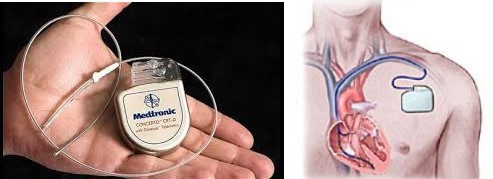
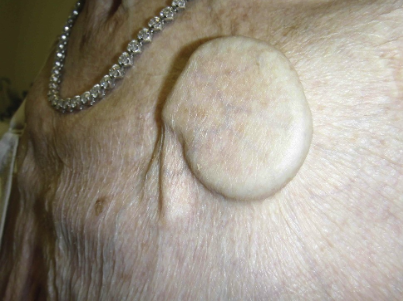
A pacemaker is a battery operated (batteries last for 5-7 years), pack of gum-sized device placed just under the skin beneath the collar bone in the upper chest area. The pacemaker keeps the heart beating in rhythm. It is visible as a raised area and you can notice it as you assist a resident to bathe or dress. It does not hurt to touch it but it should be left alone. Take note of the skin around the pacemaker and report any inflammation or redness to the nurse.
More than 600,000 people each year receive a pacemaker. More than 3 million people around the world currently have a pacemaker, allowing them to resume normal day-to-day functions with limited inconvenience.
The most common reason for pacemakers for seniors is an arrhythmia-an abnormal heart rhythm, caused by a disruption to the heart’s electrical system. Arrhythmia may be caused by a heart attack or other injury to the heart, medication, or a genetic condition.
Internal Defibrillator also called Implantable Cardioverter Defibrillator (ICD)
An ICD looks very similar to a pacemaker and in fact some ICDs function dually as a pacemaker as well, but there is a difference. Thin wires connect the ICD to your heart. If an abnormal heart rhythm is detected the device will deliver an electric shock to restore a normal heartbeat if your heart is beating chaotically and much too fast. many people report when the device triggers a shock it feels like a horse kicking them in the chest. This however by delivering the electrical shock it can save their life. Again, be gentle cleaning the area and report any complaints of the device 'not feeling right' by the resident to the nurse and of course report immediately if the device triggers a shock to the resident.